Implementing Omni-Channel Customer Support Solutions in Health Insurance Call Centers

In today’s dynamic healthcare landscape, acknowledging the diverse needs of different demographics is essential for health insurance providers. As societal demographics shift and preferences evolve, it’s crucial to recognize the varying requirements of different age groups and societal segments. Younger generations often prefer text-based communication and digital interactions, while older generations may lean towards traditional phone calls and personalized assistance.
Adapting to these changing demographics and societal norms involves offering omnichannel contact centers that cater to all preferences, ensuring seamless and convenient customer support for health insurance. These omnichannel solutions not only meet customer preferences but also enable agents to be more efficient and handle more inquiries than they could with voice calls alone. With the growing AI market, agents can leverage automation to handle mundane questions, freeing up their time for more complex interactions and enhancing overall efficiency.
Thriving in this environment necessitates streamlining operations to reduce costs while maintaining alignment with evolving demands Research reinforces this imperative, revealing that 88% of customers now prioritize their experience with a company on par with the products or services offered.
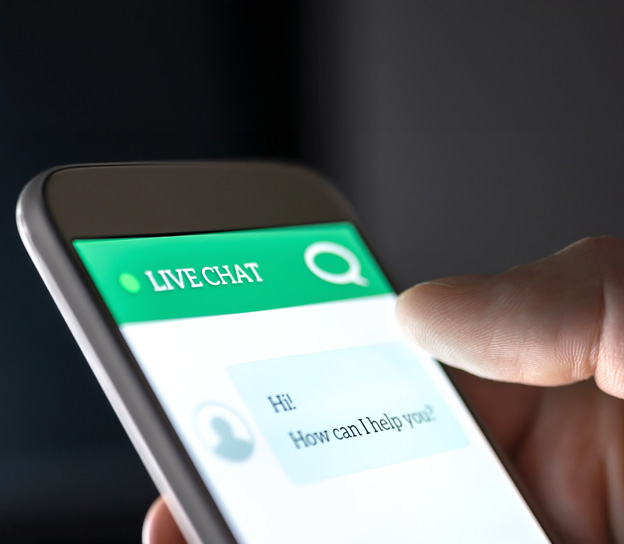
Understanding Omni-Channel Customer Support Solutions
Omni-channel customer support refers to the integration of multiple communication channels—such as phone, email, and chat, into a cohesive and unified experience for customers. This approach allows customers to interact with their insurer via their preferred channels, ensuring flexibility and convenience.
Implementing omni-channel solutions offers several advantages:
1. Cost-Savings: Implementing an omni-channel approach yields significant cost-savings by minimizing reliance on live agents for every interaction, which is the most time-consuming aspect of responding to inquiries. While each interaction with an agent takes considerable time, automated processes and AI-driven chatbots offer a more efficient alternative. A chat conversation, for instance, can achieve the same objective in a fraction of the human time needed, enabling agents to handle multiple inquiries simultaneously. Unlike voice conversations, where agents can only deal with one person at a time, chats allow for concurrent interactions with multiple individuals, maximizing efficiency through economies of scale. Additionally, asynchronous channels like email provide further flexibility, enabling agents to respond when they have available time, further optimizing resource utilization without compromising customer satisfaction. This strategic allocation of resources minimizes labor costs while ensuring that live agents are deployed where their expertise is most valuable, maintaining a high level of service quality across all customer interactions.
2. Enhanced Customer Experience: By providing multiple communication channels, health insurance call centers empower customers to choose the most convenient option for them. Whether it’s seeking assistance over the phone, sending an email inquiry, or chatting with a representative online, customers appreciate having options that cater to their preferences and needs.
3. Improved Efficiency and Accessibility: Integrating communication channels into a unified platform enhances efficiency by streamlining processes which will in turn accommodate faster response times. Patients no longer need to navigate multiple channels, saving time and minimizing errors. This streamlined approach caters to diverse patient preferences while ensuring accessibility for individuals with different needs and schedules. By offering multiple communication options, healthcare providers enhance convenience, leading to a more seamless healthcare experience for all patients.
4. Consistent Messaging and Brand Experience: With omni-channel customer support, health insurance companies can ensure consistency in messaging and branding across all communication channels. Whether a customer reaches out via phone, email, or chat, they receive the same level of professionalism and service quality, reinforcing the company’s brand identity.
5. Personalized Engagement: Omni-channel solutions enable call center agents to gather valuable insights about customers’ preferences, behaviors, and previous interactions. Armed with this information, agents can deliver more personalized and tailored support, addressing customers’ specific needs and concerns effectively.
6. Proactive Customer Engagement: By leveraging technology and advanced data analytics health insurance call centers can anticipate customers’ needs and proactively reach out to offer assistance or provide relevant information. This proactive approach to customer engagement fosters trust and loyalty, ultimately leading to higher customer satisfaction and retention rates.
Implementing omni-channel customer support solutions in health insurance call centers requires careful planning, investment in technology infrastructure, and ongoing agent training. However, having a reliable partner can make all the difference.
At T2Flex, we understand the unique challenges faced by health insurance contact centers, and we’ve already mastered the art of implementing omni-channel customer support solutions. With our comprehensive suite of technology, meticulously crafted training programs, and dedicated team of experienced professionals, we’ve got it all figured out. From seamlessly integrating communication channels to devising personalized engagement strategies, we’re here to take your call center operations to new levels of efficiency and excellence.
Partner with T2Flex today and let us empower your health insurance contact center to deliver a superior customer experience that sets you apart from the competition. Together, we’ll confidently navigate the future of customer service and ensure your success.